Blog
Relaxation Guide: The Best Essential Oils for a Detox Bath

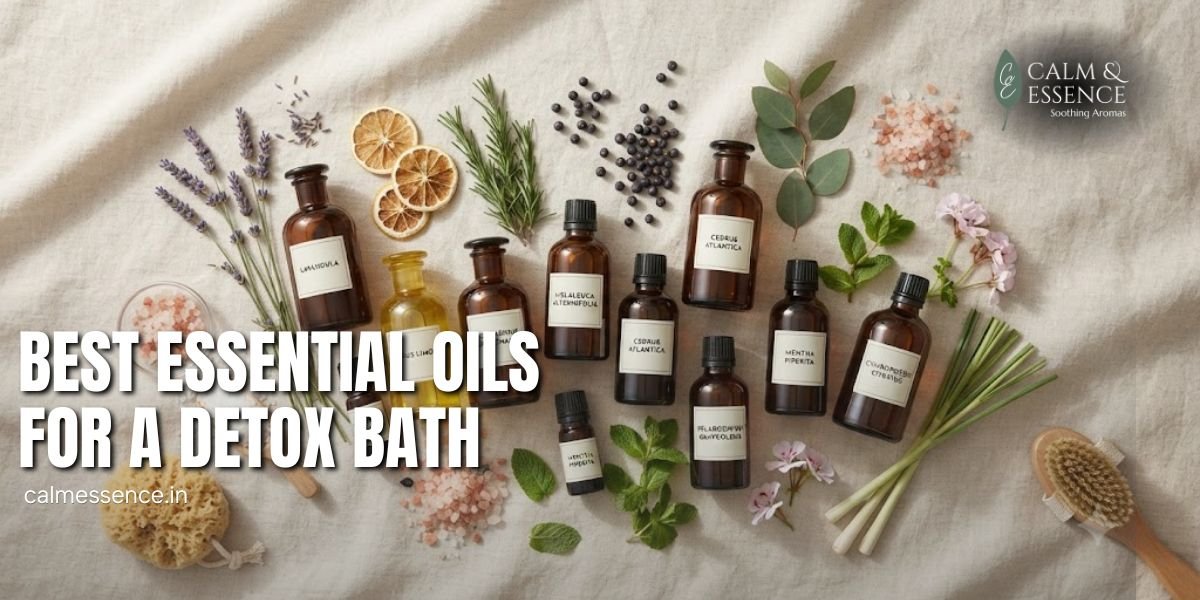
There’s a specific kind of tiredness that sleep doesn’t fix. The kind that settles into your shoulders after a long week, or sits behind your eyes after too many hours in front of a screen. A shower helps, but only so much. A bath, an actual, properly put-together bath, does something different. It slows everything down in a way that’s harder to achieve any other way.
Adding essential oils to bath water takes that further, but there’s a right way to do it that most people skip entirely. Drop oils directly into bathwater, and they float on the surface in concentrated pockets. Your skin hits those pockets undiluted. That’s how you end up with a rash, irritated skin, or a photosensitivity reaction the next morning, wondering what went wrong. The fix is simple once you know it, and the difference in what you actually get from the bath is significant.
Why This Works: The Actual Science Behind It
Two things happen when you soak in a warm bath with essential oils prepared correctly. The first is transdermal absorption. Warm water raises skin temperature and dilates pores, increasing the skin’s permeability temporarily. During that window, both the magnesium sulfate from Epsom salt and the active compounds from essential oils can cross the skin barrier and enter circulation. A 2004 study measuring blood magnesium and sulfate levels before and after Epsom salt baths found that 17 out of 19 participants showed measurable increases in both minerals after soaking. The transdermal route bypasses the digestive system entirely, which is useful for people whose gut absorption of magnesium is poor. The second is inhalation. Warm water releases essential oil vapor into the air around the bath. You’re breathing the compounds in at the same time they’re absorbed through the skin, the same olfactory nerve-to-limbic-system pathway that makes diffusing work, but in a more immersive environment. Both routes are working simultaneously.
One honest thing to say upfront: the word “detox” gets used loosely in wellness content. Your liver and kidneys handle actual detoxification. What a detox bath genuinely does is support the body’s natural processes, reducing inflammation, lowering cortisol, relaxing muscle tissue, and improving sleep onset. That’s nothing. It’s just worth describing accurately.
The Emulsifier Rule: The One Thing Most Articles Don’t Mention
Essential oils and water don’t mix. They never will. Drop lavender directly into your bathwater, and it floats as concentrated droplets that stick to skin at full strength. For most oils, that’s a mild irritant. For citrus oils, there is a photosensitivity risk. Skin exposed to bergamot or lemon oil without dilution and then hit with sunlight the next day can develop burns or dark patches.
The solution is an emulsifier, something that helps oil disperse evenly through water. Options in order of effectiveness:
- Carrier oil mixed with essential oils before adding to the bath: jojoba, sweet almond, or fractionated coconut. Mix your drops into a tablespoon of carrier first, then pour into running water while the bath fills
- Full-fat milk or cream, the fat acts as a natural emulsifier, distributes oils reasonably well, and leaves skin noticeably softer
- Unscented liquid Castile soap, a small squeeze mixed with your essential oils before adding to the bath, disperses them adequately
- Epsom salt itself, mixing essential oil drops directly into the bath salts before adding the blend to water, is the most practical method and works well for dry blends
What doesn’t work: honey alone, plain water, or just stirring vigorously. The oil separates immediately regardless.
How Many Drops of Essential Oil in a Bath
How many drops essential oil bath is the most searched question on this topic, and the answer depends on the oil.
For a standard bathtub filled to a comfortable soaking level:
- Gentle oils (lavender, chamomile, frankincense): 8 to 10 drops total
- Medium-strength oils (eucalyptus, peppermint, rosemary): 4 to 6 drops — these are more aggressive on skin and mucous membranes at high concentration in a warm enclosed space
- Strong or sensitizing oils (cinnamon, clove, oregano, thyme): 2 to 3 drops maximum, always in a carrier, never directly in water
More drops are genuinely not better. In an enclosed bathroom with warm steam rising, 15 drops of peppermint will feel overwhelming before you’ve even settled in. The therapeutic benefit doesn’t scale up with quantity; you hit a ceiling fast, and past that ceiling, you’re just irritating your airways and skin.
My Experience With Bath Rituals
I came to this from a purely practical place, not wellness culture, just a bad back and a stretch of genuinely terrible sleep. Someone suggested an Epsom salt bath with lavender before bed, and I remember thinking it sounded like something out of a magazine lifestyle section.
First time I did it properly, two cups of Epsom salt, eight drops of lavender mixed into a tablespoon of jojoba first, water warm but not scorching, I fell asleep faster that night than I had in weeks. Not dramatically. Just… less time lying there waiting for sleep to arrive.
What I got wrong initially was the water temperature. I was making it too hot, thinking hotter meant more of everything. It actually made me feel worse, slightly dizzy getting out, overheated, and more restless afterward. Dropping to warm rather than hot changed the whole experience. Thirty-five to thirty-seven degrees if you have a thermometer, or water that feels comfortable immediately rather than needing adjustment.
The honest limitation: it doesn’t work as a one-off. I’ve tried using it only during terrible weeks, and the effect is mild. Used twice a week consistently for a few weeks, it genuinely changes sleep quality and how much muscle tension I carry day to day.
Four Bath Recipes That Each Do Something Specific
For Sleep
The goal here is nervous system wind-down, not just relaxation. Mix into two cups of Epsom salt before adding to the bath:
- 4 drops lavender
- 3 drops of Roman chamomile
- 2 drops of vetiver
Run the bath warm, not hot. Soak for a minimum of twenty minutes. No phone in the bathroom. The vetiver grounds the blend and prevents it from smelling purely floral; the chamomile does the heavy sedative work. This is the one recipe worth making exactly as written rather than substituting.
Essential Oil Bath for Muscle Pain
Post-workout, after long travel, or after a physically demanding day, the target here is inflammation reduction and muscle fiber relaxation.
Mix into one tablespoon of carrier oil:
- 4 drops of eucalyptus
- 3 drops peppermint
- 2 drops of ginger
- 2 cups Epsom salt added separately
The magnesium sulfate from the Epsom salt reduces inflammation at the muscle tissue level. Ginger is a documented anti-inflammatory. Eucalyptus and peppermint create a cooling sensation on the skin that counteracts the heat of sore muscles. Don’t use this blend before bed peppermint is mildly stimulating and will work against sleep.
The Standard Essential Oil Bath Recipe For General Stress
Simple, broadly usable, nothing polarizing in the scent:
- 4 drops lavender
- 3 drops bergamot
- 2 drops of frankincense
- Mix into full-fat milk half a cup before adding to the bath
The bergamot lifts the mood without feeling citrusy-sharp. Frankincense deepens the breath naturally. Lavender does its documented cortisol-lowering work. This is the one to start with if you’ve never done an essential oil bath before.
One note on bergamot specifically: it causes photosensitivity. In a bath, this matters less than topical application, but if you use this blend in the morning and head outdoors within a few hours, apply SPF to any skin that was in the water.
Essential Oil Bath for Sleep Deeper Version
Different from the muscle pain recipe, this one targets the mental side of insomnia, the brain that keeps running after the body has stopped.
Mix into two cups of Epsom salt:
- 4 drops lavender
- 3 drops sandalwood
- 2 drops of clary sage
- 1 drop ylang-ylang
Clary sage has documented sedative properties and works specifically on stress-related sleeplessness. Ylang-ylang, at one drop, is enough in a steam environment; two drops of ylang-ylang in a small bathroom become overwhelming quickly. Sandalwood grounds the whole blend and extends the scent past the bath itself.
Oils That Don’t Belong in Bathwater
Worth stating clearly because the internet is full of “add any oil you like” advice that leads to genuine skin reactions.
- Cinnamon bark and clove are both dermally caustic. Even diluted, they cause burning on sensitive skin in a warm water environment
- Oregano and thyme same issue. High phenol content becomes a skin irritant at bath temperatures
- Undiluted citrus oils (lemon, lime, grapefruit) directly in water without a carrier, the photosensitivity risk is real, and these oils are the most common cause of post-bath skin reactions
- Any oil you haven’t patch-tested before new-to-you oils should be tested on a small skin area first, not trialled in a full bath where you’ve immersed your entire body for twenty minutes
Note: Pregnancy is a separate conversation. Several commonly used oils, including clary sage, rosemary, and peppermint, are contraindicated in pregnancy. If you’re pregnant, check every oil with a qualified aromatherapist before adding anything to a bath.
FAQs
Can I add essential oils directly to bathwater without mixing them first?
No, they float as concentrated droplets that hit skin undiluted; always mix into a carrier oil, milk, or Epsom salt before adding to the bath.
How many drops of essential oil go in a full bath?
8 to 10 drops total for gentle oils like lavender; 4 to 6 for stronger oils like peppermint or eucalyptus; never more than 3 for hot spice oils like cinnamon or clove.
Does Epsom salt actually absorb through the skin?
A 2004 study found measurable increases in blood magnesium and sulfate after soaking; the evidence is modest but real, and the muscle relaxation effect is consistent across users.
How long should I soak in an essential oil bath?
20 minutes is the minimum to get both the transdermal absorption and the full aromatherapy effect; longer than 40 minutes in warm water starts to dry the skin out.
Is it safe to have an essential oil bath every day?
Two to three times a week is more sustainable for skin health than daily; daily hot baths strip the skin’s lipid barrier over time, even with carrier oil in the water.
Final Word
A bath with essential oils prepared the right way is one of the more genuinely effective tools for stress, sleep, and muscle recovery that most people already have access to but under-use. The Epsom salt and magnesium sulfate combination has clinical backing for muscle relaxation. The transdermal absorption window during a warm soak is real. The aromatherapy effect through steam inhalation runs simultaneously. None of this requires expensive equipment or elaborate routines; it needs the right oils, a carrier, and twenty minutes you don’t interrupt with a phone. Browse the essential oil range at callmessence to find the specific oils for whichever recipe fits where you are this week.